

All news
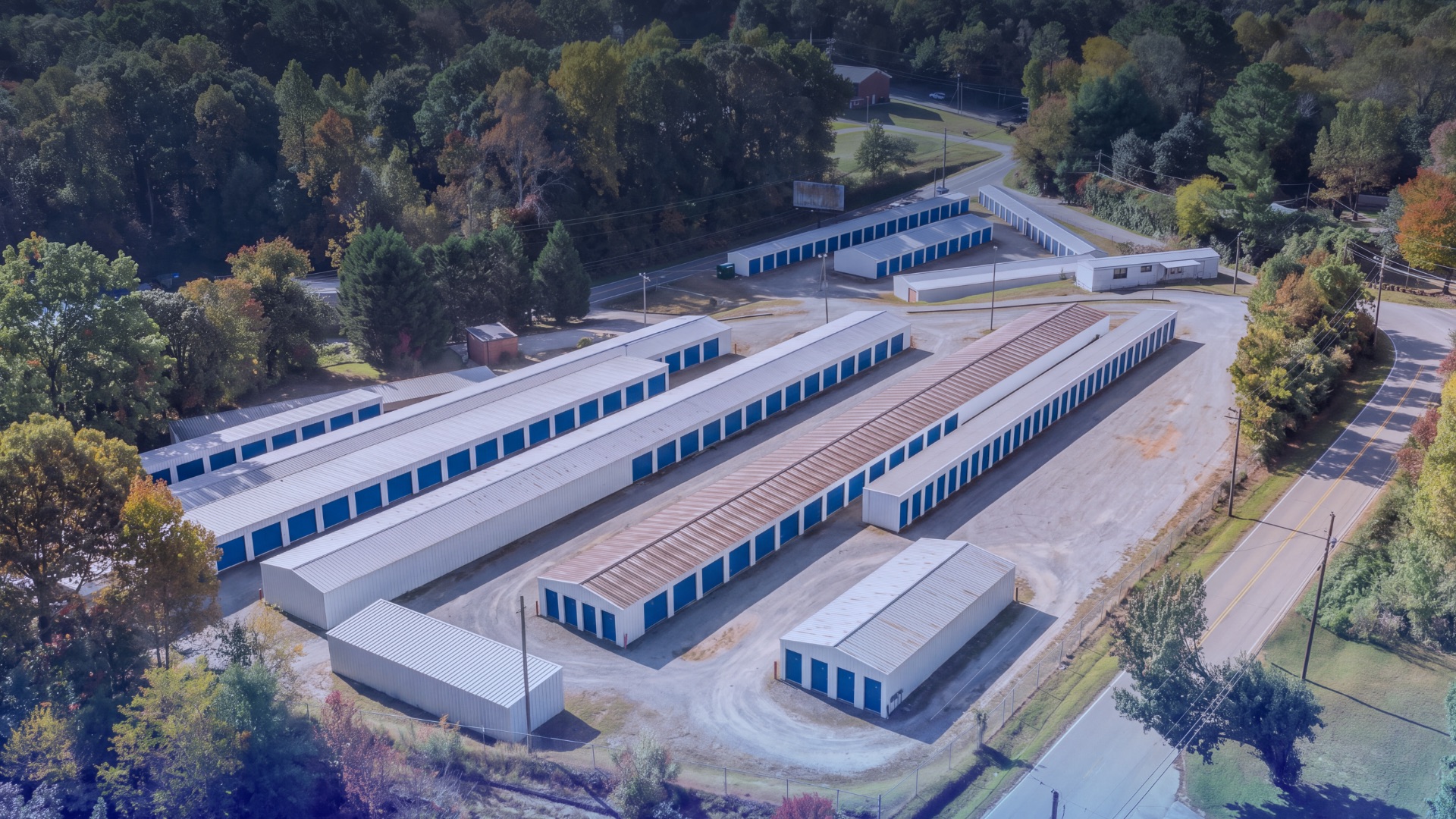
The Case for Doubling Down on the Facility You Already Own
For most of the last decade, the growth story in self-storage was a construction story. Owners added square footage, chased new markets, and watched rents climb through the cycle. The picture in 2026 looks different. Yardi Matrix reports new deliveries across the top markets down roughly 15 percent from last year, and national street rates have slipped a little over 2 percent from where they sat twelvemonths ago. Development has slowed to a walk, and the operators who paused their pipelines are asking a sharper question. If building new units no longer pencils out, where should the money go?
For a growing number of owners, the answer sits on the front of every unit they already run.
The reasoning behind the shift rewards a closer look. Tenants are staying longer than they used to, with average lengths of stay now running past 18 months. A renter who once moved out in under a year now holds a unit for a year and a half or more.Every one of those tenants carries more lifetime value than the same customer did five years ago, which changes the math on retention. Losing a long-term renter to a competitor down the road costs you more today than ever before, and the small frustrations driving people out, a door sticking, a latch grinding, a unit looking tired next to a newer property across town, add up quickly. When a renter does leave in this market, you re-rent the space at a lower move-in rate than you charged a year ago, so every avoidable move-out chips away at revenue you have already earned.
This is where doors earn their place in a capital plan. Set against the big-ticket improvements owners weigh, converting units to climate control, overhauling security technology, repaving a drive, a door upgrade is modest in cost and quick to finish. The payoff shows up where customers form their impression of your property. A clean, smooth-operating door tells a prospective renter your facility is cared for before they sign anything. For existing tenants, a door working the way the tenant expects removes one of the most common reasons for a complaint or a poor review. And when your units look sharp, you hold your rates with more confidence, because the condition of the space supports the price you ask.
Renters shop the way everyone shops now, on a phone, comparing photos and reviews before they set foot on your lot. A row of faded, dented doors reads as neglect in a listing photo, and a prospect scrolling past forms a judgment in seconds. The condition of your doors is part of your marketing whether you plan for the effect or not.
Neglect works the other way, and the damage compounds quietly. A door left to rust and bind does not fail all at once. Performance erodes over months, tenant patience wears thin, and by the time the problem is obvious, you are managing complaints, chasing repairs, and explaining to a prospect why the unit down the row will not open cleanly. We wrote earlier this year about the real cost of deferred maintenance, and the same logic applies to the doors themselves.Waiting rarely saves money. More often, waiting turns a planned upgrade into an emergency one at a worse price.
The timing argument favors upgrading now. In a flat-rate market, capital discipline is the rule, and a door upgrade fits discipline better than almost any alternative on the table. The spend is defined, the scope is clear, and the return shows up in measurable occupancy and retention. With better financing terms available to owners refinancing older loans, the capital for targeted improvements is easier to free up now than a year ago. Weigh the risk profile against new construction. A ground-up project ties up capital for years and carries real lease-up risk, with many new facilities now taking two to three years to reach stable occupancy. A door replacement carries none of the same uncertainty. You improve an asset already producing income, and you see the benefit almost immediately.
Execution is where the upgrade decision lives or dies, and the choice of manufacturer shapes the outcome. A door swap only pays off when the work moves quickly and the units come back online fast. Every day a unit sits empty during a replacement is a day of lost rent, so lead time is no small detail. At SteelBlue, quotes turn around in a day or two, and doors ship in four to six weeks rather than the two to three months owners have come to expect from the larger suppliers.Because a swap moves one unit at a time, you keep the rest of the property earning while the work runs its course, and a smart schedule times the busiest doors for your slower season. The gap matters most on a retrofit, where the goal is to get in, replace what needs replacing, and get every unit earning again with as little vacancy as possible.
The owners who come out of this cycle in the strongest position are not sitting on their hands waiting for construction to make sense again. They are putting disciplined dollars into the assets they already hold, and they are starting with the parts of the facility every tenant sees and touches. Your doors are the first thing a renter notices on the way in and the last thing they handle on the way out.Upgrading them is one of the clearest, lowest-risk moves available to you this year.
If your doors are showing their age and you want a sense of what a replacement would involve, our team will walk you through the options and the turnaround for your specific facility. A short conversation is usually enough to see whether the numbers work for you.

Jared Gabaldon serves as VP of Marketing at SteelBlue Building Components, where he leads brand development, content strategy, and go-to-market programs for the company's roll-up door and hallway system manufacturing business. With a background in B2B marketing, Jared joined SteelBlue after helping build the brand's early marketing presence at Trig.
In his role, Jared oversees marketing across new construction, door replacement, and commercial door verticals. He manages industry events, digital marketing, multimedia content, and outbound campaigns that connect SteelBlue's products with builders, facility owners, and architects in the self-storage industry.
Jared brings hands-on experience in podcast production, content operations, and marketing automation. His approach focuses on direct communication and building real relationships between SteelBlue's manufacturing expertise and the professionals who specify and buy their products.